 Men’s clothing is more than just fabric stitched together—it is the result of creativity, craftsmanship, culture, and careful planning. Every shirt, jacket, or pair of trousers you see in a store has traveled a long journey before becoming a trend. This process, often called “thread to trend,” explains how a simple idea turns into a fashionable piece worn by people everywhere.
1. Inspiration: Where Ideas Begin
The journey starts with inspiration. Designers observe the world around them—street style, social media, movies, sports, music, culture, and even historical fashion. Changing lifestyles, seasons, and customer preferences also influence ideas. From these observations, designers decide what men want today: comfort, confidence, minimalism, or bold expression.
2. Concept & Design
Once inspiration is clear, ideas are translated into concepts. Designers create sketches, mood boards, and color palettes. At this stage, decisions are made about silhouettes, fits (slim, regular, oversized), patterns, and detailing. The goal is to balance style, function, and wearability—because men’s clothing must look good and feel practical.
3. Fabric Selection: The Role of the Thread
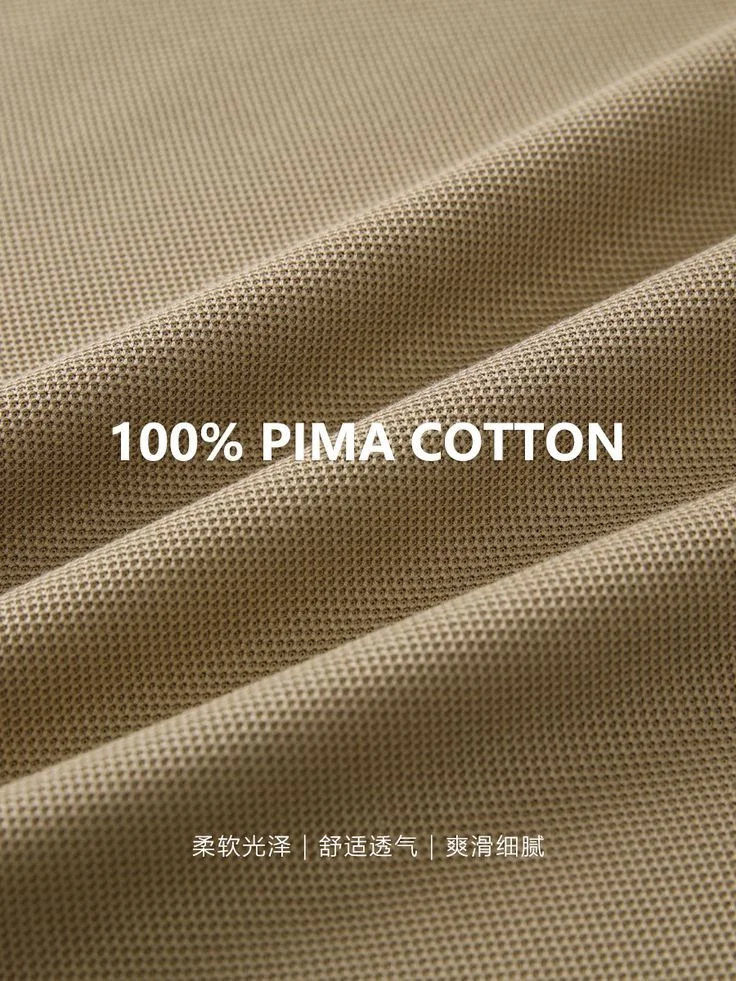
Fabric is the foundation of any garment. Cotton, denim, linen, wool, blends, or performance fabrics are chosen based on comfort, durability, season, and cost. Texture, weight, breathability, and color fastness are carefully tested. A good fabric ensures the garment not only looks premium but also lasts longer.
4. Pattern Making & Sampling
Patterns are created from the design sketches—these are templates that define the shape of the garment. The first sample is stitched to check fit, measurements, and overall look. Multiple rounds of sampling may happen to perfect details like sleeve length, collar shape, or stitching quality.
5. Manufacturing & Production
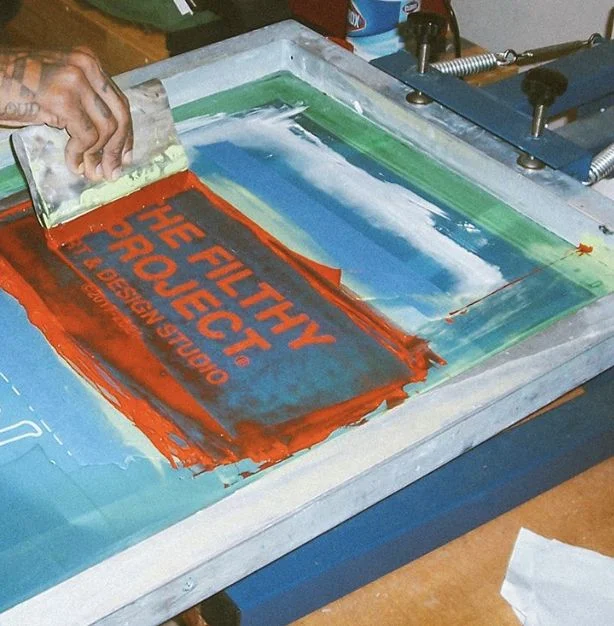
After final approval, bulk production begins. Fabric is cut, stitched, pressed, and finished in factories. Quality control is crucial here—checking seams, buttons, zippers, sizing, and finishing. This step ensures consistency so every piece meets the brand’s standards.
6. Branding & Styling
Clothing is not complete without branding. Labels, tags, packaging, and brand identity are added. Styling decisions—how the garment is worn, paired, and presented—help define its personality. This is where clothing starts to feel like a brand story, not just a product.
7. Marketing: Turning Clothing into a Trend
Marketing bridges the gap between clothing and consumers. Photoshoots, videos, social media posts, and storytelling show how the garment fits into real life. Influencers, fashion content, and word-of-mouth help shape perception. When people relate to the story, the clothing becomes desirable—and that’s how a trend is born.
8. Retail & Consumer Adoption
Finally, the product reaches stores or online platforms. When customers wear it, share it, and make it part of their daily style, the journey from thread to trend is complete. Feedback from consumers then inspires the next cycle of design and innovation.
Conclusion
The process behind thread to trend is a blend of creativity, planning, and precision. Men’s clothing is not just about fashion—it reflects identity, confidence, and culture. Every stitch carries effort, and every trend tells a story. What starts as a simple thread ultimately becomes a statement worn by many.
The Process Behind a Thread: How Clothing Begins
Before fashion becomes style and style becomes trend, everything starts with a thread. A single thread is the foundation of every piece of clothing we wear. Understanding the process behind a thread helps us appreciate how much effort, skill, and planning goes into making even the simplest garment.
1. Raw Material Collection
The journey of a thread begins with raw materials. These can be natural (like cotton, wool, silk) or synthetic (like polyester, nylon).
For example, cotton is harvested from cotton plants, while synthetic fibers are produced using chemical processes. The quality of the raw material decides the strength and feel of the final thread.
2. Cleaning and Processing
After collection, raw fibers are cleaned to remove dirt, seeds, and impurities. This step is important because clean fibers produce smoother and stronger threads. The fibers are then softened and prepared for spinning.
3. Spinning: Fiber to Thread
Spinning is the most important step. Here, fibers are twisted together to form yarn or thread.
-
More twisting = stronger thread
-
Less twisting = softer thread
Different thicknesses of thread are made depending on the type of fabric needed—thin for shirts, thicker for denim or jackets.
4. Yarn Testing and Quality Check
Once threads are made, they are tested for:
-
Strength
-
Durability
-
Uniform thickness
Weak or uneven threads are removed. This ensures the fabric made later will not tear or lose shape easily.
5. Dyeing: Adding Color to Thread
Threads are often dyed before fabric making. Dyeing adds color and life to the thread.
This process must be done carefully so that colors do not fade after washing or exposure to sunlight.
6. Thread to Fabric
After dyeing, threads are sent for weaving or knitting:
-
Weaving creates structured fabrics like denim or cotton shirts
-
Knitting creates stretchable fabrics like t-shirts
At this stage, threads finally come together to form fabric.
Conclusion
A thread may look small and simple, but it carries a long journey behind it. From raw fiber to finished fabric, every step matters. Without a strong and well-made thread, clothing cannot exist. This hidden process is the true beginning of fashion—and the first step from thread to trend.